
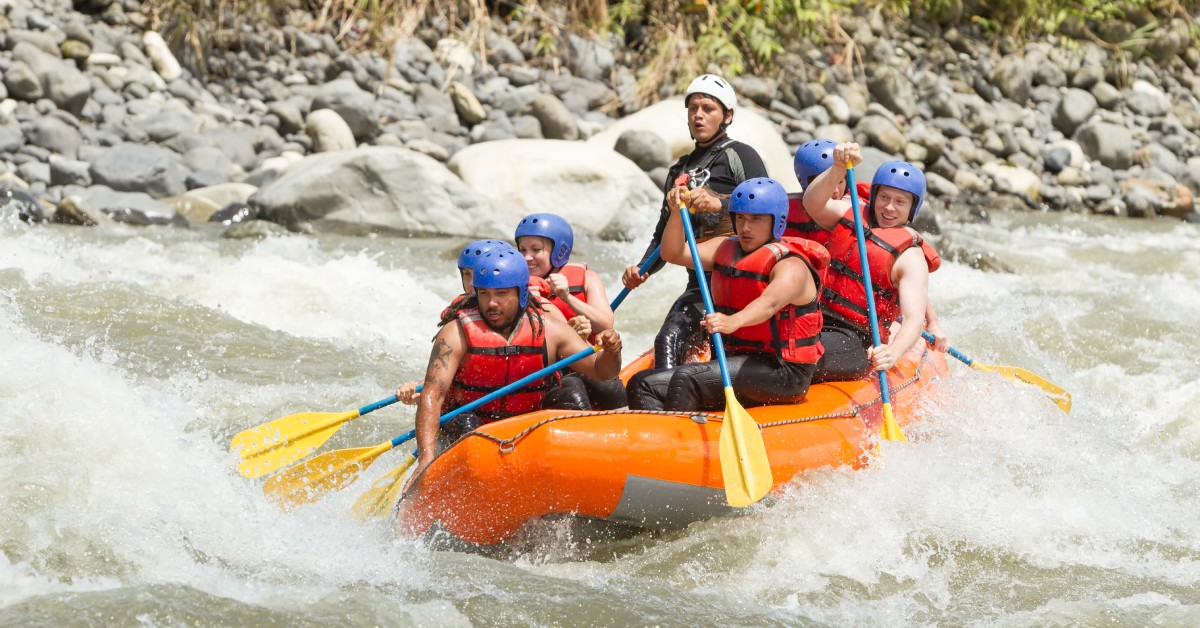
The Ocoee River, a jewel of the Blue Ridge Mountains, roars with a history as wild and captivating as its rapids. Its churning waters have drawn millions, all seeking the thrill of an adventure that has defined this corner of Appalachia for decades. Understanding the history of white water rafting on the Ocoee River reveals a story of natural power, human ingenuity, and the creation of a world-class destination. This journey transformed a rugged river valley into a hub for outdoor recreation and an Olympic icon, leaving an indelible mark on the region.
Before the Rapids: The Early Ocoee
Long before rafts navigated its currents, the Ocoee River flowed through a landscape shaped by both nature and early industry. The river, known to the Cherokee people who originally inhabited the area, was a vital source of life and transportation. Its path carved through the dense forests of the southern Appalachian Mountains, a powerful and untamed force.
In the early 20th century, people harnessed the river’s immense power for a different purpose. Engineers constructed a series of dams and flumes to generate hydroelectric power, fundamentally altering the river’s natural flow. This development redirected a significant portion of the water away from the original riverbed, leaving it dry for much of the year.
For a time, surrounding communities tamed the wild spirit of the Ocoee, diverting its energy to generate power. The focus was on industrial progress, and the river’s potential for recreation remained largely unrecognized. This power generation era unexpectedly laid the groundwork for the river’s resurgence, as the infrastructure that once silenced it would eventually bring its voice roaring back for new adventurers.

The Birth of a Whitewater Destination
The transformation of the Ocoee River into a whitewater mecca began in the 1970s. As the national interest in outdoor adventure sports grew, a few pioneering outfitters recognized the river’s incredible potential. When the power company occasionally released water down the natural riverbed for maintenance, the river surged back to its former glory, creating challenging and exhilarating rapids. These releases, initially infrequent, provided a glimpse of what the Ocoee could be.
Early rafting trips were rustic and daring. Outfitters had to coordinate with the power company to learn about scheduled water releases, planning their expeditions around these limited windows. The launch of commercial trips introduced a new kind of thrill-seeker to the raw beauty and power of the river. Word of mouth spread quickly through the burgeoning paddling community, and demand grew.
Rafting companies began to negotiate for more consistent and predictable water releases, arguing for the economic potential of recreational tourism. This effort marked a pivotal shift in the river’s identity, from a source of industrial power to a vibrant hub of outdoor adventure. The Ocoee was no longer just a dammed river; it was becoming a destination.
The World Stage: The 1996 Olympics
The Ocoee River gained global fame when organizers chose it for the whitewater canoe and kayak events of the 1996 Atlanta Summer Olympics. This marked a historic moment as the first time these events took place on a natural river. Workers sculpted a 500-meter section of the Upper Ocoee to create a world-class slalom course. They carefully placed boulders and reshaped the riverbed to engineer the perfect mix of challenging rapids, eddies, and drops to test the world’s top paddlers.
The Olympic course became an instant icon. The globally televised events showcased the raw power and stunning beauty of the Ocoee to an international audience, putting the river and the surrounding Blue Ridge region on the map. The broadcast captured the intensity of the competition set against the backdrop of the lush Appalachian landscape.
This exposure was transformative. After the games, the Olympic section opened for commercial rafting. This offered everyday adventurers the unique chance to paddle the same waters as the Olympians. The 1996 Games created a lasting legacy, elevating the Ocoee’s status from a regional favorite to a premier international whitewater destination.

Economic Waves: Tourism and Local Impact
The rise of whitewater rafting created a powerful economic current that revitalized the Ocoee River corridor and the surrounding communities. What began with a few small outfitter companies blossomed into a thriving tourism industry. Today, numerous rafting companies operate along the river, drawing hundreds of thousands of visitors each year during the rafting season. This influx of tourists supports a wide array of local businesses, from restaurants and shops to lodging and other recreational services.
The economic impact extends beyond the immediate river valley. Towns in the Blue Ridge area have benefited from the Ocoee’s reputation as an adventure capital. The river has become a major employer, providing seasonal and full-time jobs for guides, support staff, and administrative personnel.
The success of rafting has encouraged diversification in the local tourism market. Visitors often come for the rafting but stay to explore the region’s hiking trails, scenic drives, and charming mountain towns. The river that once powered industry now powers a sustainable tourism economy, proving that preserving natural assets for recreation can yield significant economic rewards.
Conservation and the River’s Future
The Ocoee River’s popularity has brought a sharp focus on the importance of conservation and sustainable management. The very future of rafting depends on maintaining the health of the river and its surrounding ecosystem. Those responsible must strike a delicate balance between recreational use, power generation, and environmental protection. Rafting outfitters, government agencies, and environmental groups work together to ensure the river remains a vibrant and healthy resource for generations to come.
Ongoing efforts focus on water quality, erosion control, and preserving the natural beauty of the river corridor. These partnerships are crucial for navigating the complex agreements that govern water releases, ensuring that the schedule supports both the vibrant rafting industry and the ecological needs of the river. The future of the Ocoee is a shared responsibility. A commitment to stewardship is essential to protect this unique natural treasure for years to come.
Discover the Legacy of the Ocoee
The history of white water rafting on the Ocoee River is a remarkable tale of transformation. It’s a story of how a river, once silenced by industry, was reborn as a world-renowned adventure destination that hosted the Olympics and now fuels a thriving local economy. The legacy of the Ocoee is one of passion, innovation, and a deep appreciation for the power of the natural world.
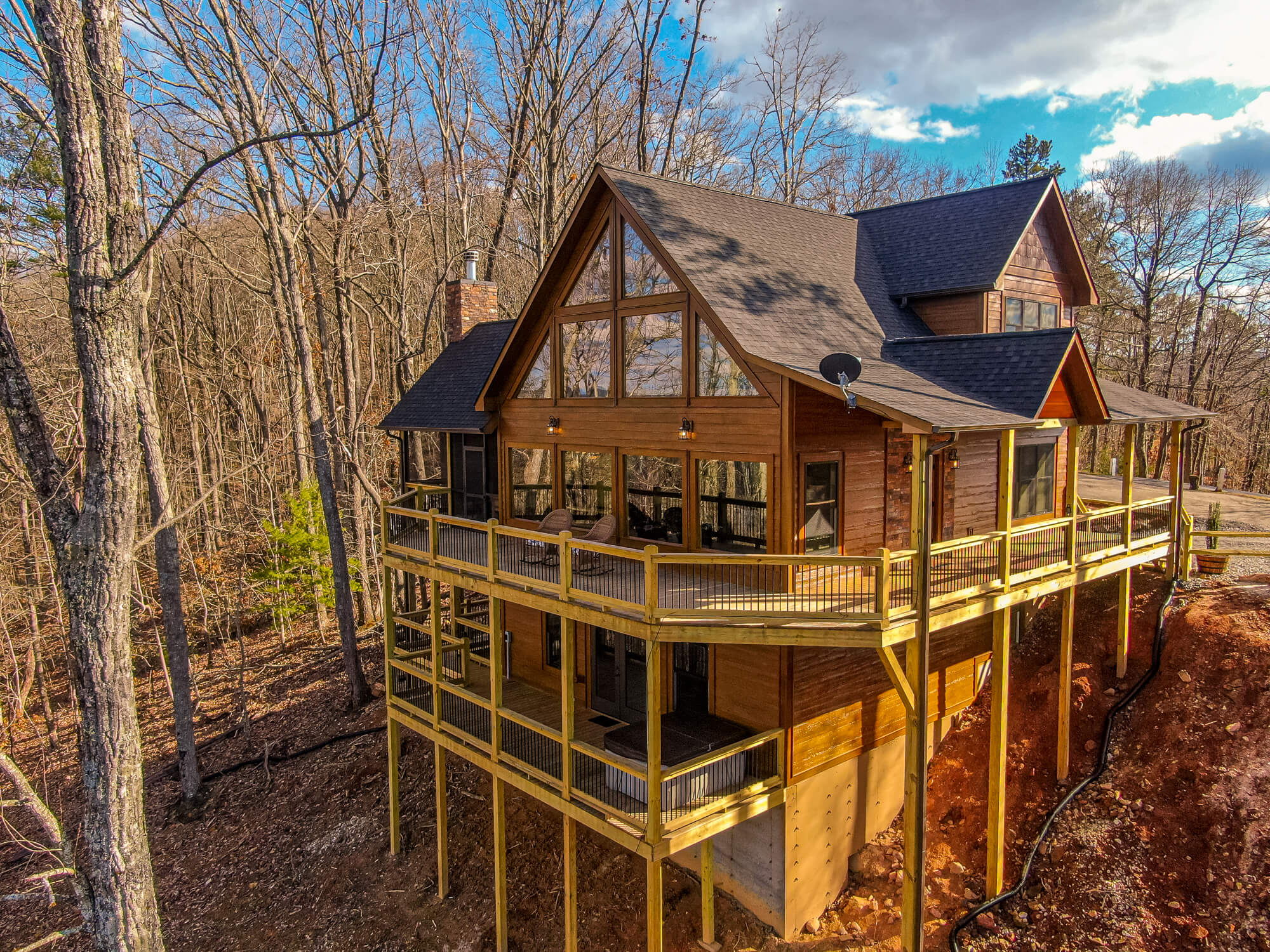
For those looking to experience this legendary river and the stunning beauty of the Blue Ridge mountains, Nevaeh Cabin Rentals offers the perfect base for your adventure. Our beautiful properties are located close to some of the best Blue Ridge, Georgia white water rafting, including the iconic Ocoee River. After a thrilling day on the water, you can relax in comfort and style, surrounded by the tranquility of the mountains. Book your stay with us and become a part of the Ocoee’s living history.