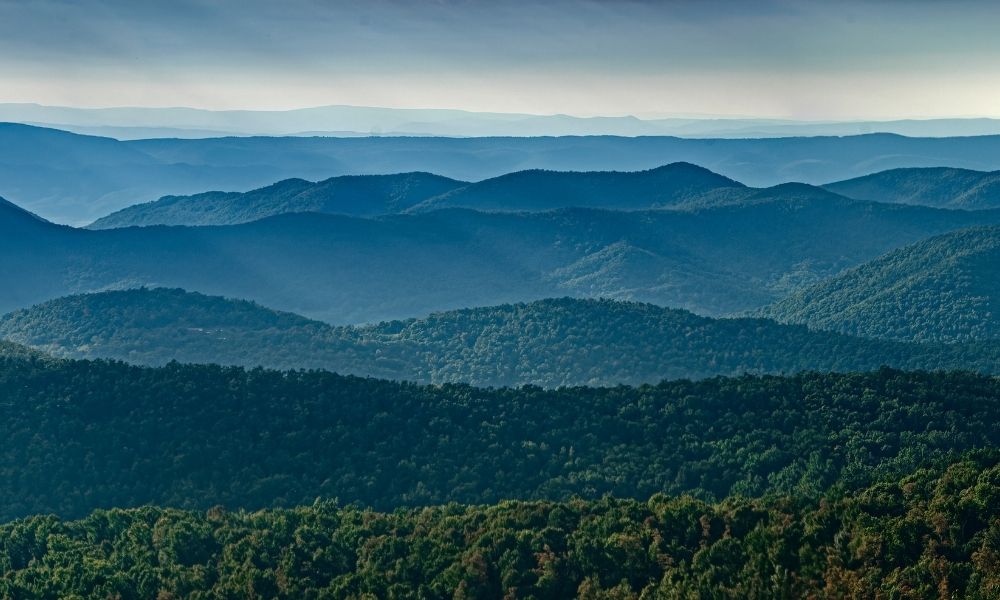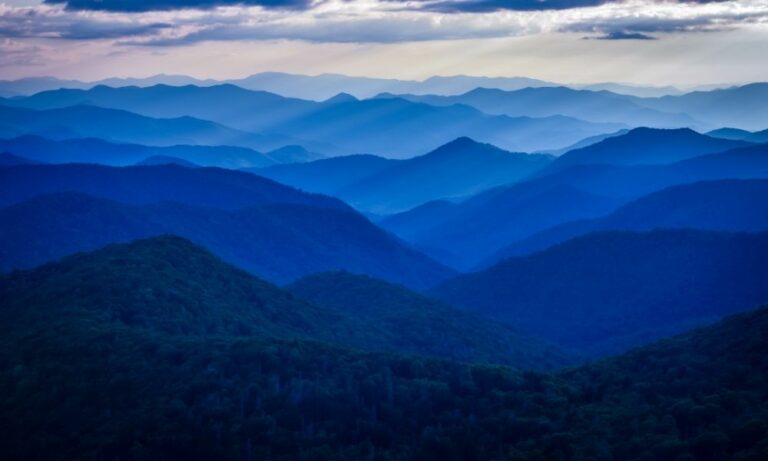

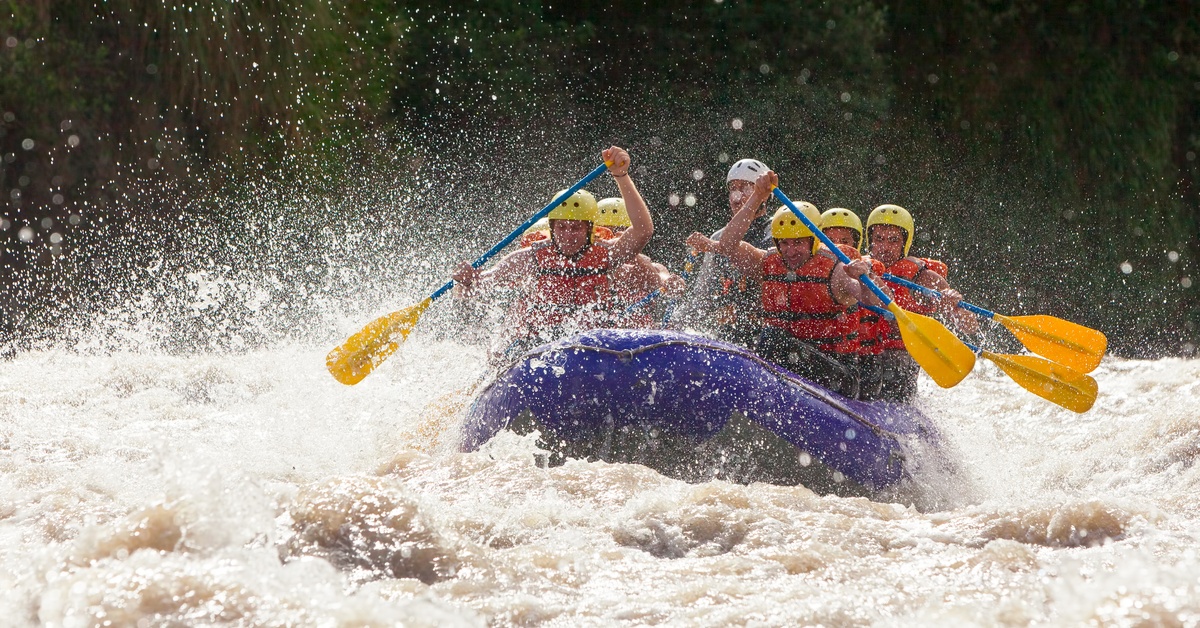
North Georgia is famous for its breathtaking scenery and thrilling whitewater adventures. Every year, thousands of nature lovers flock to the Blue Ridge Mountains to challenge themselves against the rushing waters of the Ocoee or the Chattooga. But have you ever stopped to wonder what makes these waters so powerful? Understanding the science of rapids and the formation of North Georgia’s rivers adds a fascinating layer of appreciation to the adrenaline rush of rafting down these historic waterways.
1. Geological Formation
The story of these rapids begins deep underground with the ancient geology of the Appalachian Mountains. These peaks provide the steep gradients necessary for fast-moving water to gain momentum. The hard, crystalline bedrock resists erosion and shapes the riverbeds. As water flows over uneven ledges of this durable rock, it drops suddenly, creating the turbulent, churning conditions that rafters look for. Without this specific geological foundation, the water would simply meander slowly rather than roar through the gorges.
2. Hydrological Processes
Water volume and movement play a crucial role in shaping the physical landscape. Heavy rainfall in the high elevations drains into narrow gorges, significantly increasing the water’s velocity. Over millennia, this high-speed flow creates hydraulic action that scours the riverbed. This continuous erosion creates complex underwater obstacles and deep channels that force water to behave erratically. The water crashes against these obstacles, aerating the flow and turning it into the frothy white waves known as rapids.
3. Types of Rapids
Turbulent water varies in intensity. An international scale classifies rapids from Class I to Class VI based on their difficulty and danger levels. Class I rapids are gentle ripples suitable for beginners, while Class VI represents extreme danger reserved for experts. The specific shape of the riverbed determines these classes, forcing water over submerged rocks, into deep holes, or through constricted channels. Understanding these classifications helps rafters anticipate the technical skills required for each section of the river.
4. Impact of Climate
The intensity of a river is not static; it changes with the seasons and local weather patterns. Spring thaws and summer storms can drastically raise water levels, turning a typically calm stream into a raging torrent within hours. Conversely, dry spells can lower the water level, exposing more rocks and changing the technical nature of the run. Knowing the local climate patterns helps rafters predict the flow rate and prepare for the specific challenges they will face on any given day.
Ready To Hit the Water?
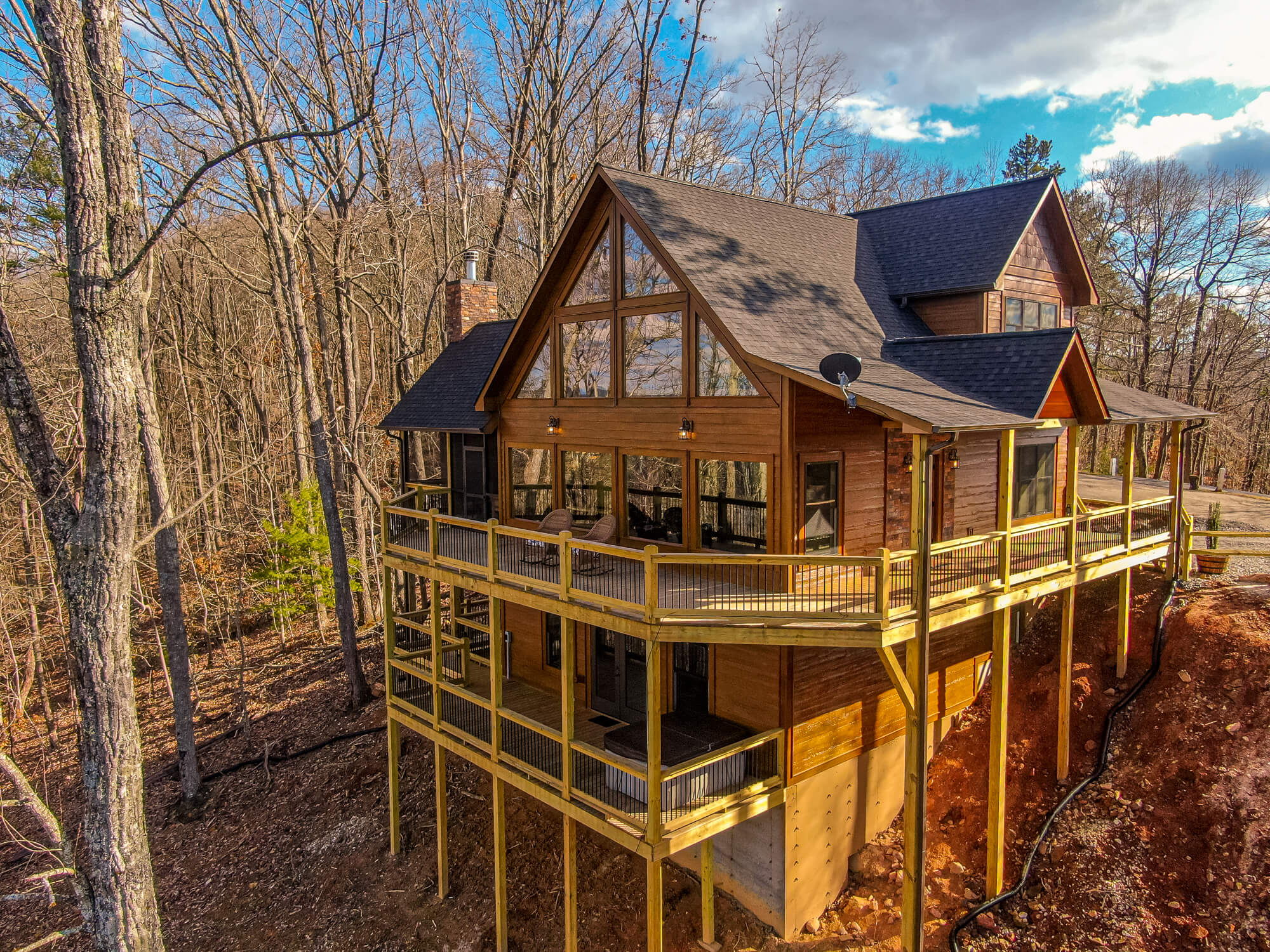
The complex interplay of ancient rock, gravity, and rainfall creates the dynamic environment that outdoor enthusiasts cherish. Now that you understand the science of rapids and the formation of North Georgia’s rivers, you are ready to experience them firsthand. After a long day on the water, you deserve a place to relax in luxury. Nevaeh Cabin Rentals offers beautiful cabin rentals close to some of the best Blue Ridge, Georgia whitewater rafting locations, providing the perfect basecamp for your next adventure. Contact us today to learn more.